ESI CommServer End-of-Life: Don’t Wait Until Your Phones Die
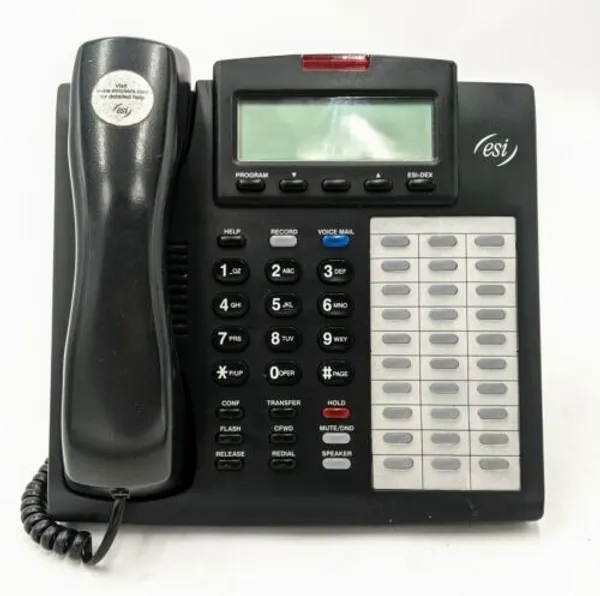
If you’re still running an ESI CommServer, you bought a workhorse. Sturdy, reliable, on-premise, these phone systems run 10, 15, sometimes 20+ years without complaint. You paid for it once and it’s been earning its keep ever since. We respect that.
Then ESI announced End of Life and End of Sales on June 30, 2023. Now you’ve got a system that still works, but every quarter that goes by means fewer replacement parts on the secondhand market, no manufacturer support, and no path forward when something finally breaks. So what should you actually do?
“I’ll Run It Until It Dies”: Why That Plan Bites You
This is the most common thing we hear from owners. “I made this investment, I’m going to run it to the ground.” We get it. But here’s what running-it-to-the-ground actually looks like:
- Phone numbers take ~2 weeks to port from your old carrier to a new VoIP provider. While that’s happening, your business phones don’t ring.
- Phones have to be physically shipped, programmed, and put on every desk. Not something that happens overnight.
- Your team needs training, even on a system designed to feel familiar, people need 30 minutes to be confident.
- Replacement ESI parts are dwindling on the secondhand market. Sourcing a working board for an unsupported system can take weeks (if you can find one at all).
If you wait until your CommServer fails, you’re a victim of the timeline, not the owner of it. You’ll spend two weeks without phones. For most of our clients, that’s a lot worse than the upgrade itself.
“Won’t VoIP Cost Me More Per Month?” The Math People Get Wrong
This is the second-most common objection, and it’s almost always math people are doing wrong. Yes, the new phone system has a per-user monthly fee. But you’ve been paying for analog phone lines (POTS) every month for decades, and you don’t need those anymore with VoIP.
When we look at your full phone-coverage cost holistically, what you’re paying the carrier for lines, what you’re paying for service contracts, what you’re paying when something breaks, VoIP is generally not more expensive. It’s often cheaper. The savings from cancelling your POTS lines typically pays for the new system within 1-2 years of use.
“I Don’t Want All Those Bells and Whistles. I Just Want My Phone to Work.”
Good. So here’s what we tell every owner:
I will make your phone work exactly how you want it to work. When it rings, you pick up. If you want to transfer, we’ll make it work the way you’ve always done it. We’ll make your handset do nothing different from what it’s done for the last 20 years.
For everyone else on your team that wants to use the modern features, voicemail-to-email, mobile app, video calling, texting customers, we’ll set those up too. They use what they want. You use what you want. Nobody is forced to relearn anything.
Most VoIP installers walk in and tell you how it’s supposed to work. We ask you how it’s supposed to work, then we tell you the modern way of doing it. We’ll explain the advantages of the new way without forcing it on you. We’ll set up a hybrid that keeps what works and only changes what you want changed. Why break something that’s not broken?
The Other Trap: Going Direct With a National VoIP Provider
If you’re a 5-person, 10-person, 25-person company and you sign up direct with one of the big-name VoIP carriers, here’s what you’re going to get:
- Offshore onboarding from someone you can barely understand
- Offshore support after you go live, the same problem when something breaks
- A self-service portal that assumes you already know how to configure call flows
- No one on the ground in Atlanta if a phone arrives broken or your network needs a tweak
Then you’re on the phone trying to explain to someone in another country how your office actually works, getting frustrated, and the system isn’t set up the way you need it. We’ve seen it dozens of times.
We’re local. We do the onboarding in person. We program your phones the way your business runs. When something needs to change six months from now, you call us and we fix it.
“Lines Versus Users”: A Concept the Owner Always Wrestles With
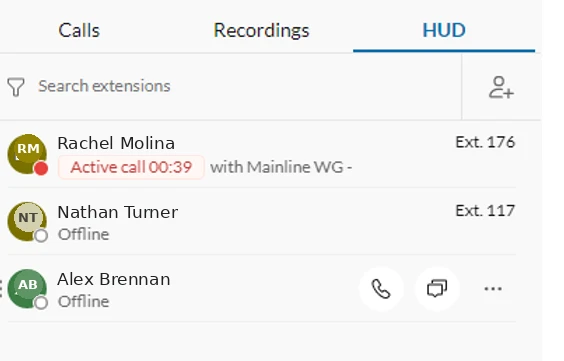
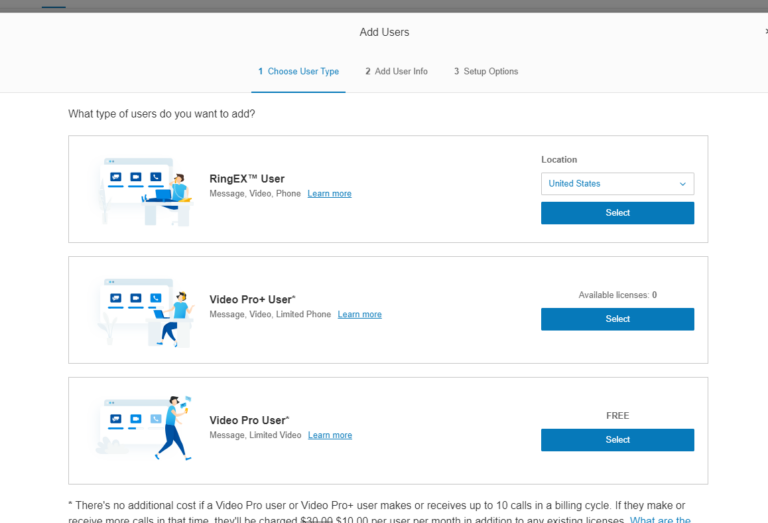
One thing we coach every ESI owner through: ESI sold you “X amount of lines” and that was your phone system. With VoIP, lines don’t matter. You buy users, one license per person, and the system routes calls intelligently. Everyone in your office can be on a call simultaneously without buying a line for each of them.
The owner is usually the one this trips up. Everyone under 50 in the office gets it instantly. The owner who’s been on the same phone setup since 1995, that one needs explaining. We walk through it with you. No pressure, no condescension. It’s a different mental model. Once you see it, you don’t go back.
What Replacing Your ESI With JHC Looks Like
- Free assessment of your current system, your call volume, and what you actually need (no script, no upsell)
- Hybrid migration plan, keep what works, modernize what’s worth modernizing
- Local Atlanta install by our techs (no offshore handoff)
- Number porting handled for you with a 2-week timeline you control
- On-site training for everyone who wants it (the owner included, on whatever pace works)
- One number to call when something needs to change, we own the relationship, not a 1-800 queue
Don’t Wait. Plan the Switch on Your Timeline.
The longer you wait, the more likely you become a victim of your phone system instead of the owner. ESI was a great brand and the CommServer was an amazing system, it’s a shame they don’t make them like that anymore. The replacement is a hybrid you control, configured the way you work, supported by a team that picks up the phone when you call.
Get a free assessment. We’ll spend an hour understanding what you have, what you actually use, and what your real options are. No pressure. No offshore handoff. Just a clear picture of your migration path.